Practice Growth · Exit Strategy · Succession Planning
PE Readiness & Practice Transition Consulting
The difference between a 6x and a 15x EBITDA multiple is not your clinical reputation. It is your operational infrastructure — documented workflows, clean financials, stable staff, and defensible revenue. That infrastructure is exactly what Diana builds.
Why Most Ophthalmology Practices Sell at a Discount — And Never Know Why
The Reality: Private equity and strategic consolidators view ophthalmology as one of the most attractive physician practice segments in 2026. Platform transactions are commanding EBITDA multiples of 10–15x. Add-on acquisitions trade at 6–10x. The gap between those two numbers is not driven by clinical quality or patient volume. It is driven entirely by operational readiness — the presence or absence of documented systems, normalized financials, stable staff, and a defensible growth narrative.
Most ophthalmology practice owners spend their careers building exceptional clinical reputations and then sell their practices at a significant discount to what they could have received — simply because nobody ever told them what PE due diligence teams actually look for, or gave them time to prepare before going to market.

What PE Due Diligence Teams Actually Evaluate
- EBITDA normalization — Are your earnings credible, defensible, and clearly documented with legitimate add-backs and fair-market owner compensation?
- SOP documentation — Can your practice operate predictably without you in the building? Undocumented workflows are a major valuation suppressor.
- Staff stability — High turnover signals operational fragility. PE buyers discount heavily for practices with chronic staffing instability.
- Revenue cycle health — Billing accuracy, denial rates, days in AR, and insurance verification failure patterns are forensically examined.
- KPI maturity — Are you tracking the metrics that demonstrate a well-managed practice, or is your performance anecdotal?
- Growth narrative — What is the 3-year expansion story? Capital investment potential? Market opportunity in your geography?
The Succession Planning Gap in Ophthalmology
- Retirement wave — The majority of the current ophthalmology workforce is over 55. Many are approaching the exit window with no formal succession plan in place.
- By 2035, ophthalmology is projected to have the second-worst workforce adequacy rate (70%) among 38 specialties — making practice succession planning more complex, not less.
- Partner buyout complexity — Internal succession to a junior partner requires valuation methodology, non-compete structure, transition timeline, and physician retention strategy.
- Approximately 50% of partner-track associates in ophthalmology fail to reach partnership — making the recruitment and evaluation of replacement physicians a high-stakes process connected directly to succession outcomes.
- Post-acquisition integration — PE acquisitions frequently destroy value in the first 12–18 months through staff attrition and culture collapse. This is preventable with the right preparation.
What Diana’s Turnaround Already Builds
- Documented SOPs — The standard operating procedures PE due diligence teams demand are a direct output of the operational turnaround process.
- Normalized EBITDA — Operational efficiency improvements, billing accuracy upgrades, and overhead reduction directly impact the earnings figure your practice goes to market with.
- Staff stability — Structured accountability systems and professional standards frameworks dramatically reduce the turnover that discounts valuations.
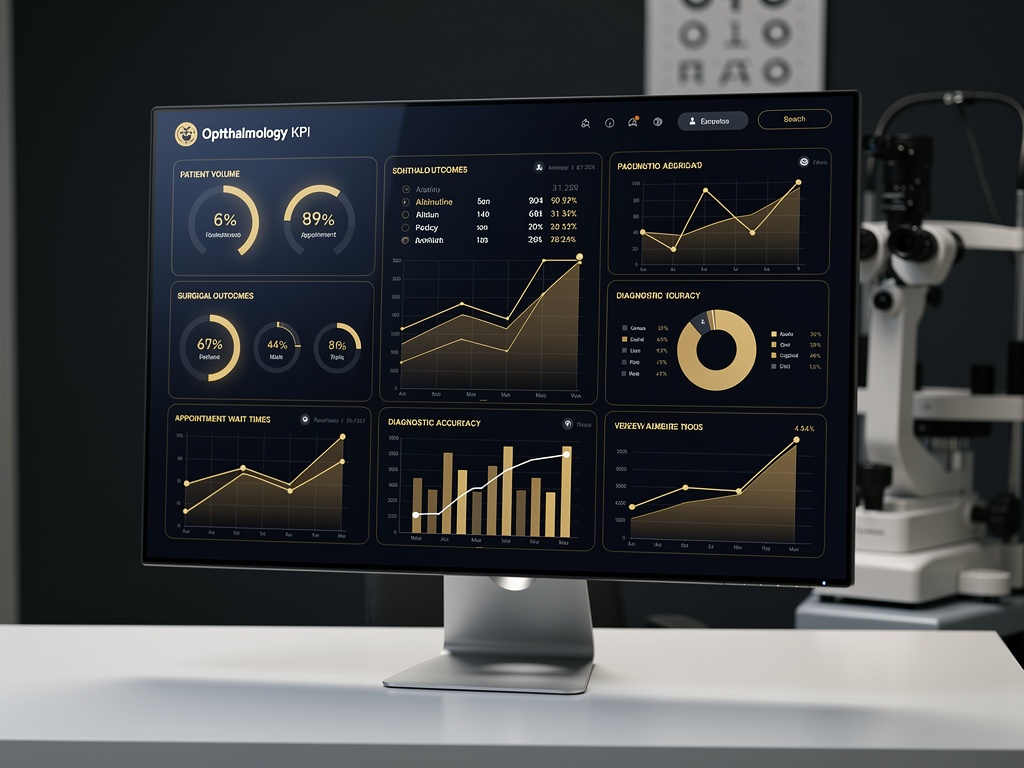
- KPI infrastructure — The performance dashboards installed during the turnaround give you the metric history buyers look for.
- Revenue cycle integrity — The billing and operations overhaul produces the clean, defensible revenue cycle that commands premium multiples.
The ophthalmologist who spends two years preparing operationally before going to market does not just get a better multiple. They get to choose their buyer, negotiate from strength, and protect the culture they spent 30 years building.

The PE Readiness Assessment
Where You Start: Before any preparation work begins, you need an honest gap analysis. How would a sophisticated PE buyer evaluate your practice today? What would suppress your multiple? What could be fixed in 12 months? Diana conducts a structured PE Readiness Audit that answers these questions with the same lens a private equity due diligence team would use.
Financial Readiness Audit
- EBITDA normalization review — identify add-backs, personal expenses, and owner compensation adjustments that affect the earnings number
- Revenue cycle health assessment: denial rates, days in AR, underpayment patterns, insurance verification failures
- Overhead structure analysis against ophthalmology-specific benchmarks (ASCRS/ASOA standards)
- Ancillary service revenue documentation and attributable EBITDA contribution
- Growth trend narrative: can you demonstrate a 3-year upward trajectory that justifies a forward multiple?
Operational Readiness Audit
- SOP documentation inventory — what is written, what is tribal knowledge, and what is absent entirely
- Staff stability analysis: turnover rates, open positions, key-person dependency risks
- KPI infrastructure review: what metrics are tracked, how consistently, and how they compare to benchmarks
- Patient flow efficiency and capacity utilization assessment
- Technology infrastructure and EHR system evaluation for scalability and integration readiness
- Compliance posture: HIPAA, billing audit readiness, credentialing currency
Gap Analysis & Prioritized Action Plan
- Identification of valuation-suppressing red flags in order of financial impact
- Realistic timeline for addressing each gap given your target exit window
- Quick wins vs. structural fixes — what can be addressed in 90 days vs. what requires 12–24 months
- Estimated valuation impact of each remediation item — so you can prioritize by ROI
- Connection to the 90-day turnaround framework for practices that need operational clean-up before going to market
Operational Clean-Up, Succession Planning & Transition Support
Beyond the Audit: Identifying the problems is the easy part. The work is in the remediation — the operational sprint that transforms a practice from “interesting asset” to “premium acquisition target.” Diana also supports practices through the full succession arc: from internal partner transitions to post-acquisition integration.
Operational Clean-Up Sprint
- SOP documentation package — formal standard operating procedures for every key clinical and administrative workflow
- Revenue cycle overhaul: billing accuracy improvement, denial management, insurance verification protocols
- Staff stability programs: accountability framework installation, professional standards training, retention strategy
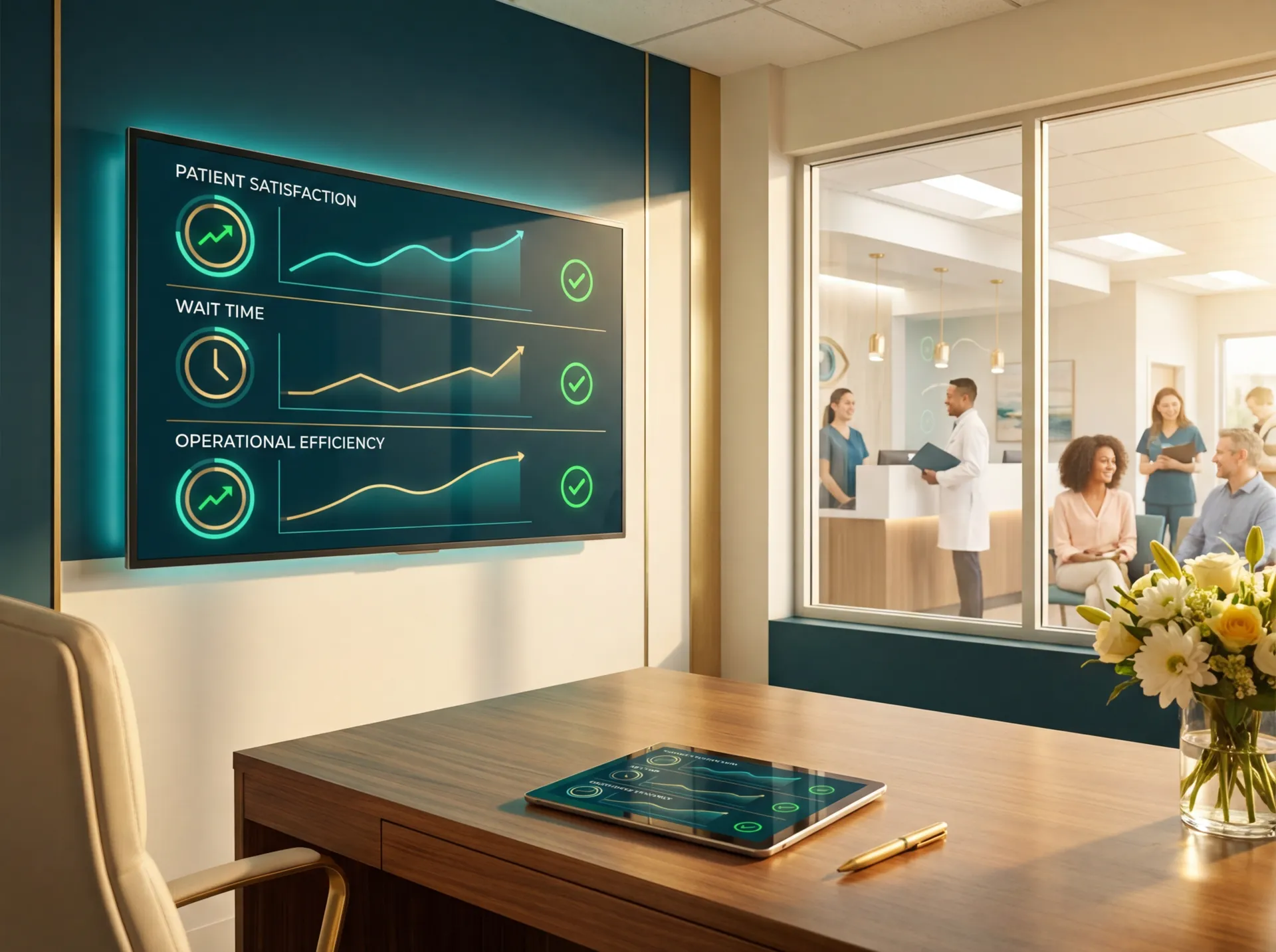
- KPI dashboard deployment: metrics tracked, benchmarked, and documented with historical trend data
- Patient flow optimization to maximize capacity utilization and demonstrate operational scalability
- Overhead reduction initiatives to improve the EBITDA margin that buyers will scrutinize
Succession & Transition Roadmap
- Retirement timeline mapping: realistic exit window given practice dependencies and market conditions
- Internal succession planning: partner buyout structure, valuation methodology, transition timeline
- Physician replacement strategy: role definition, candidate profile, recruitment approach — connects to the Right Hire Interview Service for successor evaluation
- Patient communication strategy for leadership transitions — protecting the referral base and patient loyalty you spent decades building
- Staff retention through transition: preventing the talent exodus that typically follows announced ownership changes
Post-Acquisition Integration Support
- Culture preservation strategy during PE integration — protecting the staff and patient experience that drove the valuation
- Staff communication protocols for ownership transition announcements
- Operational continuity planning: ensuring workflows, KPIs, and standards survive the integration period
- New ownership onboarding support: helping the acquiring entity understand what is working and why
- Crisis intervention during integration chaos — connects to Crisis Stabilization for acute situations
What You Receive
A PE Readiness Audit with gap analysis and prioritized action plan, an Operational Clean-Up Sprint targeting valuation-suppressing red flags, a Succession Roadmap with retirement timeline and transition structure, SOP Documentation Package for every key workflow, a Growth Narrative document for the due diligence process, and optional Post-Acquisition Integration Support. Engagements are scoped based on your practice’s specific situation and target exit timeline.
How It Connects
The Turnaround Is the Preparation
Diana’s 90-day operational turnaround delivers exactly the infrastructure that PE buyers pay premiums for: documented SOPs, clean revenue cycles, stable staff, and trackable KPIs. Practices that work with Diana two to three years before their target exit window arrive at the transaction table as premium acquisition targets rather than discount properties. The Practice Growth service handles the revenue expansion component — growing the EBITDA base that multiples will be applied to. For practices navigating an active ownership transition, Crisis Stabilization is available for acute disruptions during the process.
FAQ